The Story Didn’t Change. My Understanding of the Story Did.
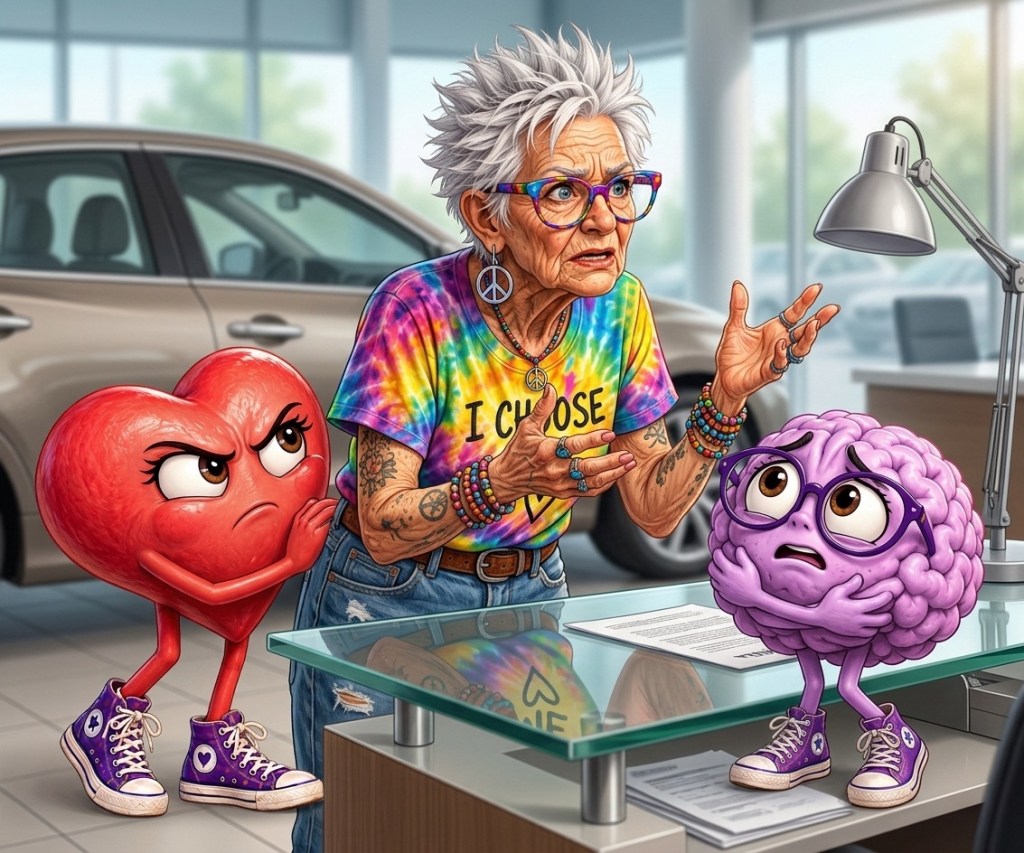
I recently bought a new vehicle. That should have been exciting, shouldn’t it? And it was, until the experience challenged my patience, autonomy, values, and ultimately, my ability to respond in a way I could feel good about.
I’m sharing this because practicing emotional intelligence doesn’t mean we always get it right. Sometimes we get it quite wrong. And that’s where the learning begins.

When NO wasn’t enough
I’d negotiated a deal, made compromises, and agreed to payments already stretching my financial comfort. Then came the pressure to purchase additional insurance. I understood its value, but I couldn’t afford it. I’d reached my financial limit, yet the conversation continued.
I felt dismissed, pressured, and increasingly frustrated. Why wasn’t my decision being respected? How many times did I have to say no?
Eventually, I became angry and attacked someone’s character. I said things I wish I hadn’t. I was mean, and I didn’t like my behaviour.
There. I said it.
But what had actually happened inside me?
Enter BRIDGE
BRIDGE is an emotional intelligence practice I’ve developed to help us move from automatic reactions toward thoughtful, values-aligned responses.
Breathe. Recognize. Identify. Deepen. Ground. Embrace.
Six steps. Sounds straightforward, doesn’t it? Try remembering them when you’re furious!
Breathe: I hadn’t paused soon enough to prevent my initial reaction. But once I recognized what was happening, I stopped. I could still choose what happened next.
Recognize: My frustration hadn’t appeared suddenly. My distress had been building throughout the conversation. My body and behaviour were signalling that something important was happening.
Identify: Anger. Frustration. Regret. I felt pressured, dismissed, and unheard. Naming those emotions was important, but naming isn’t understanding.
Deepen: This is where my understanding began to change.
Initially, I’d focused on the salesperson’s behaviour. I questioned his motives, character, and even whether cultural or gender-based attitudes influenced how I was treated.
But what did I actually know?
I knew what had been said and how I’d responded. I knew how I felt. I didn’t know what motivated him.
Feeling disrespected doesn’t establish why someone disrespected us.
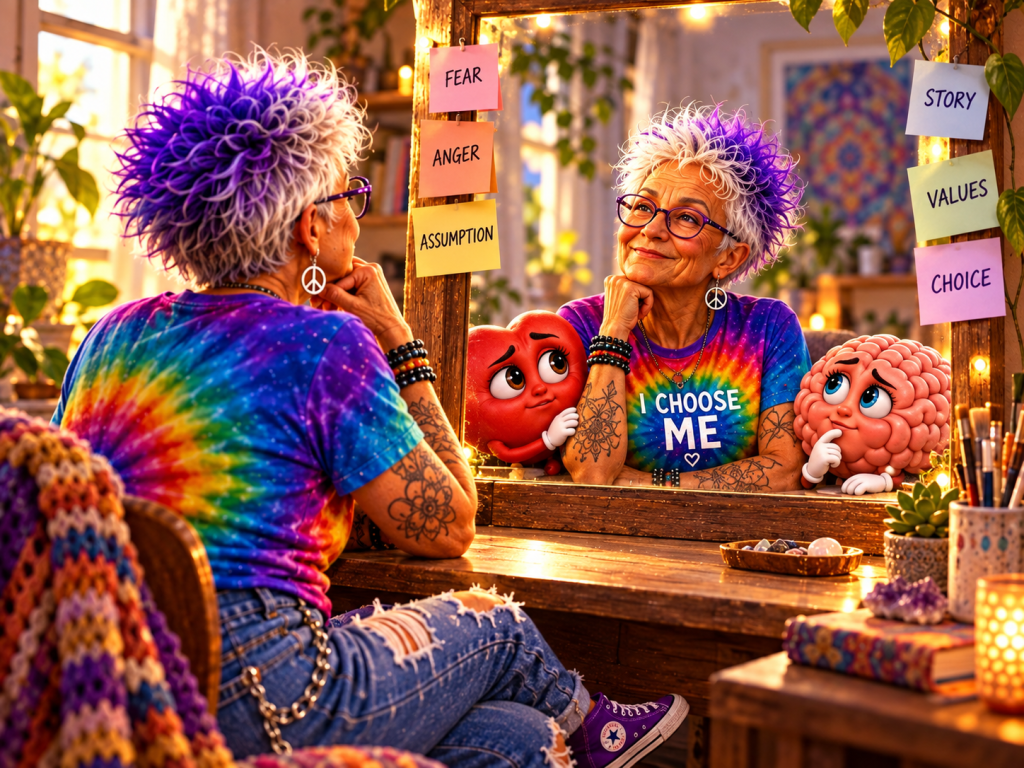
I began separating the emotions, behaviours, assumptions, expectations, values, and needs that had become tangled together.
My anger wasn’t simply about being offered insurance. I’d already made compromises I could live with, and I felt pressured to make more. My autonomy, financial security, and need to be heard mattered deeply to me.
A protective part of me had stepped forward. It was trying to defend something important, but its response didn’t reflect how I wanted to treat another person.
I could recognize the legitimacy of my boundaries without justifying my behaviour.

Ground: I returned to what mattered most: autonomy, fairness, respect, financial security, and accountability. I couldn’t change the conversation, but I could decide how I wanted to move forward.
Embrace: I expressed my concerns in writing, explaining how the experience affected me and why I questioned the pressure I’d experienced. I also recognized that I owed an apology for attacking someone’s character.
I didn’t have to excuse my behaviour to defend my boundaries. And I didn’t have to excuse theirs to take responsibility for mine.
Both truths could exist at the same time.
What changed?
The dealership situation remains unresolved. I’ve submitted a formal complaint to OMVIC and am awaiting a response. I still have concerns about the sales practices I experienced and their potential impact on other customers.
But something important has changed. I’m no longer approaching the situation solely from anger and frustration. I’m approaching it with curiosity, a desire for accountability, and a clearer understanding of my own behaviour.
I recognize that my need to be heard is still present. I want the people involved to understand how their actions affected me. But I don’t need their agreement to take responsibility for my own choices.
And I no longer need to assign motives or judge someone’s character to question their behaviour. I can pursue accountability without abandoning compassion, including compassion for myself.
The story is still unfolding. And so is my understanding of it. I Choose Me. And sometimes choosing me means challenging myself.
Curiosity over judgment.
recognize listen understand empower